
What 20 Tech Leaders Studied—and What Parents Can Learn
Twenty careers that show how literature, history, philosophy, design, economics, and related fields can connect to technology and business.
Haddee
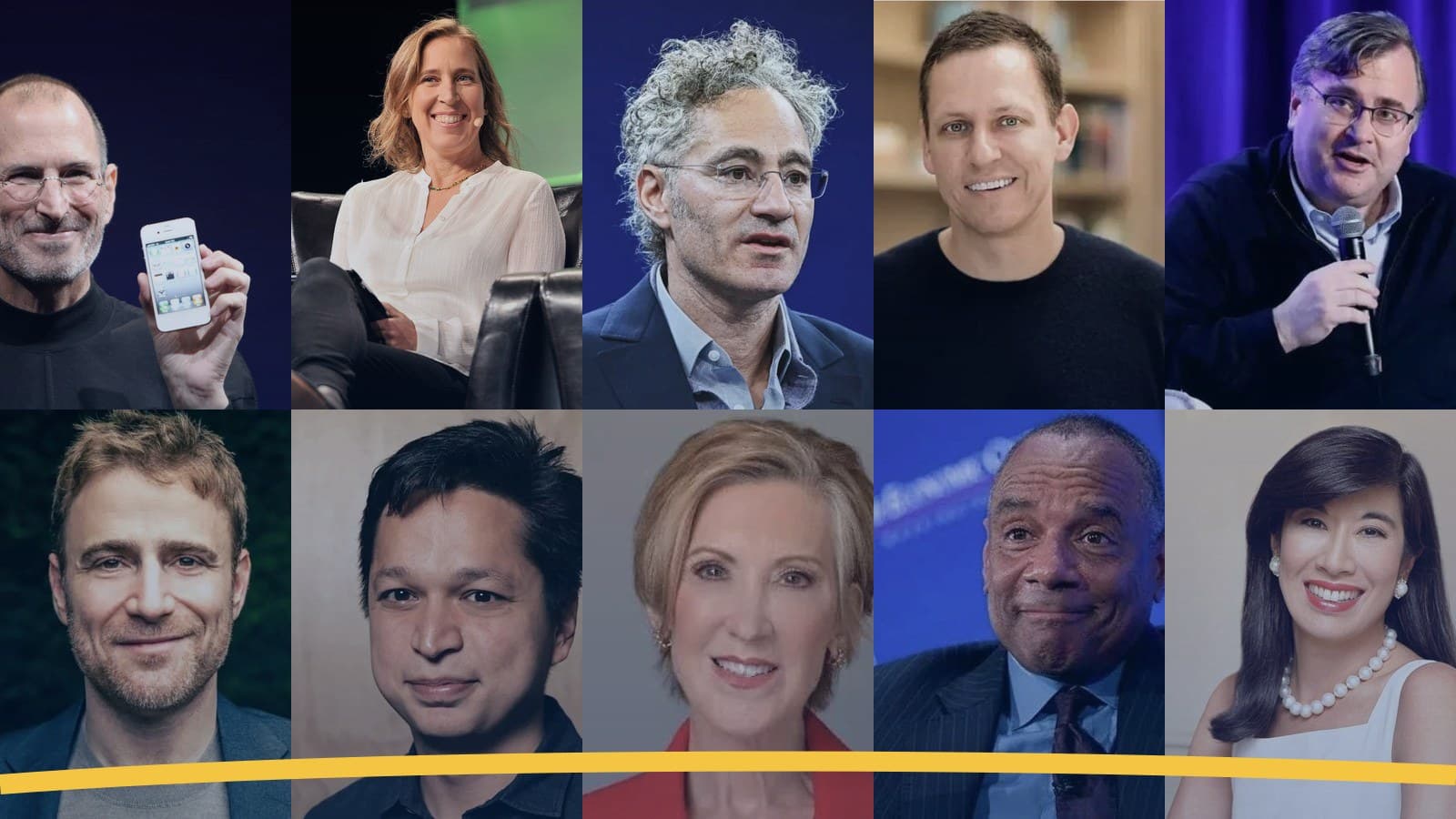
Parents often hear a version of the same warning: if a student does not major in computer science or engineering, the door to technology will close. The careers below show that the real picture is more interesting.
These 20 founders and executives studied literature, history, philosophy, political science, economics, communications, design, law, and interdisciplinary fields. Some later added an MBA, a law degree, programming skills, or years of industry experience. Some built products; others built organizations, brands, markets, and teams.
These careers are examples, not a formula. A major alone does not create a career; experience, practical skills, opportunity, and persistence also matter.
 01
01Daniela Amodei
Co-founder and president, Anthropic
Studied
English literature, UC Santa Cruz
Amodei moved through politics, communications, recruiting, and operations before helping start an artificial-intelligence company. Her path is a useful reminder that a technical company also needs people who can build teams, set priorities, communicate clearly, and turn a research vision into an organization.
Profile source for Daniela Amodei 02
02Steve Jobs
Co-founder, Apple
Studied
Liberal arts coursework and calligraphy, Reed College
Jobs left Reed without graduating but continued to sit in on classes that interested him, including calligraphy. He later credited that course with shaping the typography of the first Macintosh. The larger lesson is not that calligraphy automatically creates a great product; it is that a seemingly impractical interest can become valuable when paired with product judgment and technical collaborators.
Profile source for Steve Jobs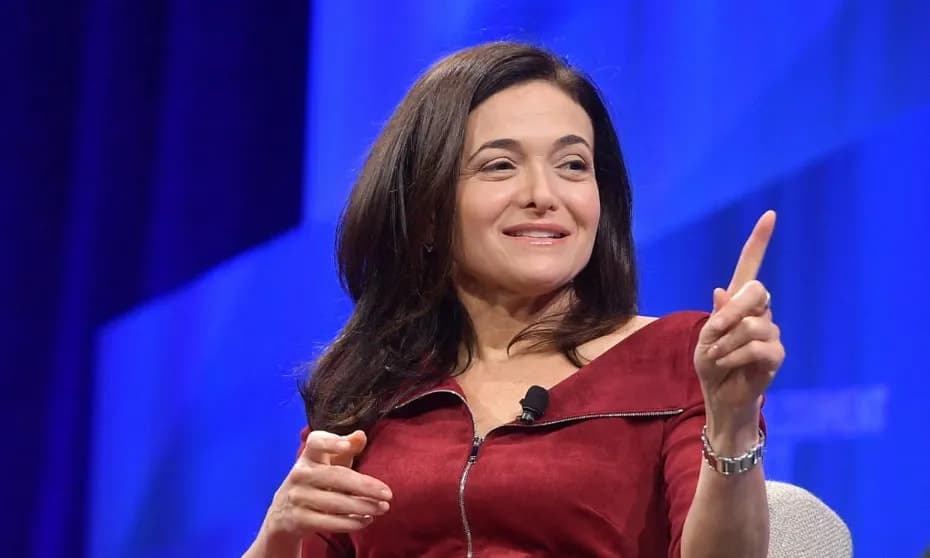 03
03Sheryl Sandberg
Former chief operating officer, Meta
Studied
Economics, Harvard; MBA, Harvard Business School
Economics is a social science rather than a humanities field, but Sandberg belongs in this conversation because her career centered on people, markets, organizations, and business models. Before joining Facebook, she worked in government and at Google. Her work helped demonstrate how operational and commercial skills can determine whether a technology business scales.
Profile source for Sheryl Sandberg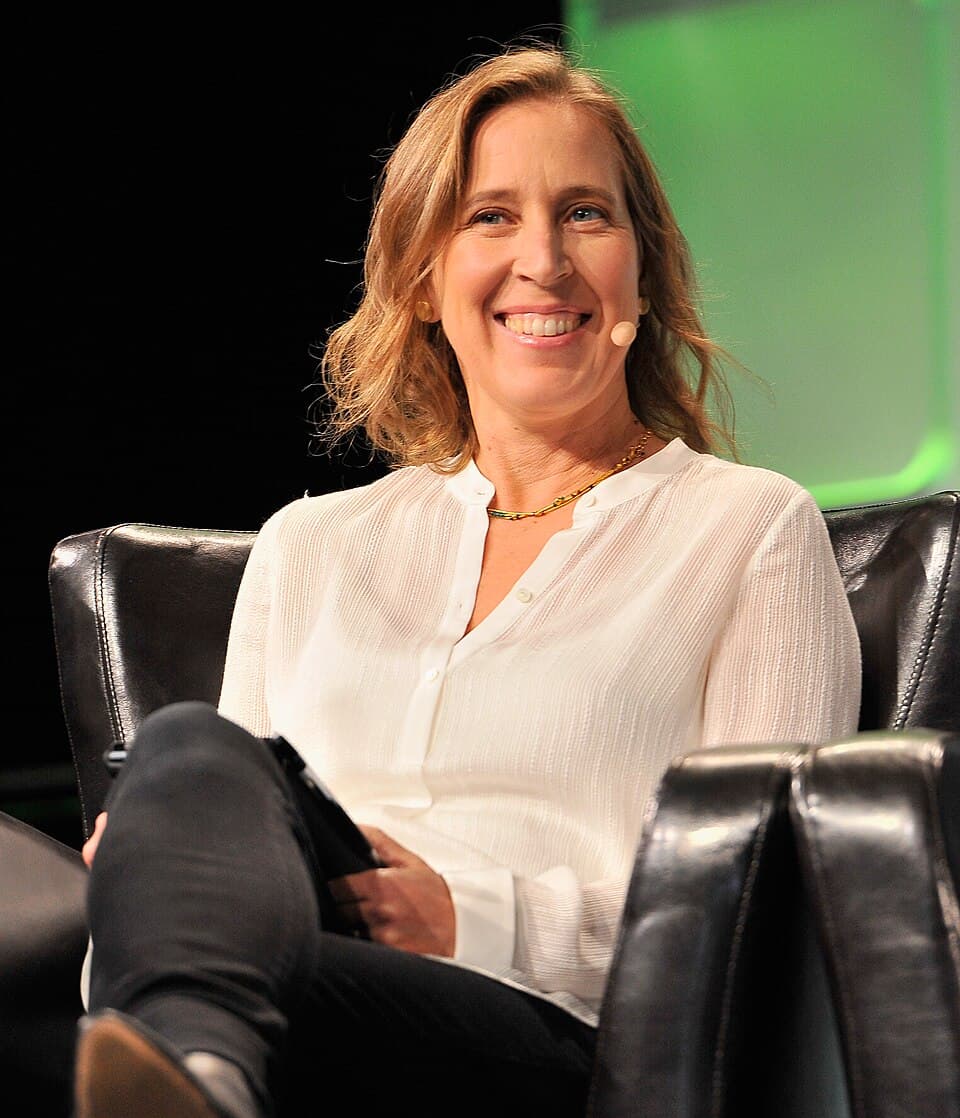 04
04Susan Wojcicki
Former chief executive officer, YouTube
Studied
History and literature, Harvard; economics and business graduate degrees
Wojcicki began with history and literature before adding economics and business training. She became an early Google employee and eventually led YouTube. Her education did not fit into one tidy category, and that is exactly the point: many careers are built by layering new skills on top of an original academic interest.
Profile source for Susan Wojcicki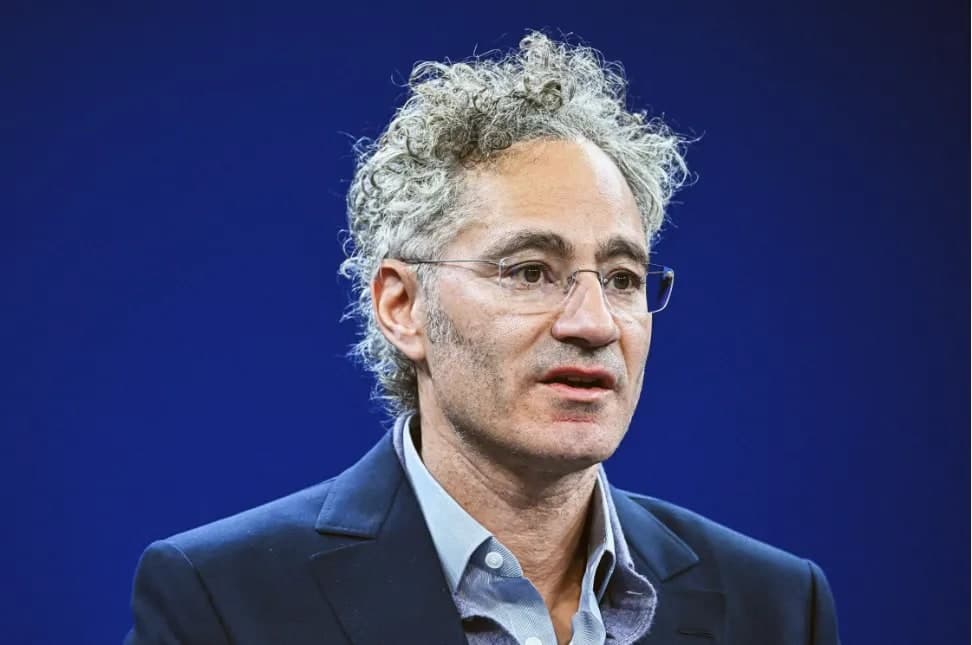 05
05Alex Karp
Co-founder and chief executive officer, Palantir
Studied
Philosophy, law, and social theory
Karp studied philosophy at Haverford, earned a law degree at Stanford, and completed doctoral work in social theory in Germany. He later co-founded a software company whose products sit inside complicated institutions. His route shows why questions about power, evidence, privacy, and institutions can matter in a deeply technical business.
Profile source for Alex Karp 06
06Peter Thiel
Co-founder, PayPal and Palantir
Studied
Philosophy and law, Stanford
Thiel studied philosophy before law and then moved into entrepreneurship and investing. Whatever one thinks of his politics or business choices, the career pattern is relevant: he has spent decades making arguments about markets, institutions, competition, and the future, then using those arguments to guide company-building and investment decisions.
Profile source for Peter Thiel 07
07Reid Hoffman
Co-founder, LinkedIn
Studied
Symbolic systems, Stanford; philosophy, Oxford
Hoffman’s undergraduate field, symbolic systems, deliberately crosses computer science, linguistics, philosophy, and psychology. He then studied philosophy at Oxford. LinkedIn was also a cross-disciplinary idea: software organized around identity, trust, professional relationships, and networks of people.
Profile source for Reid Hoffman 08
08Stewart Butterfield
Co-founder, Flickr and Slack
Studied
Philosophy, University of Victoria and Cambridge
Butterfield studied philosophy at both the undergraduate and graduate level before co-founding products that changed how people share images and communicate at work. He has described philosophy as training in writing and rigorous argument—skills that are useful when a founder must explain a product, recruit a team, and decide what not to build.
Profile source for Stewart Butterfield 09
09Ben Silbermann
Co-founder, Pinterest
Studied
Political science, Yale
Silbermann studied political science and worked at Google before starting Pinterest. The product grew around a human behavior—collecting and arranging visual ideas—rather than around a new piece of hardware. Understanding why people save, plan, aspire, and share was central to the product’s appeal.
Profile source for Ben Silbermann 10
10Brian Chesky
Co-founder and chief executive officer, Airbnb
Studied
Industrial design, Rhode Island School of Design
Chesky trained as an industrial designer, not a software engineer. At Airbnb, design extended beyond the screen to the entire experience of hosts and guests: trust, photography, homes, service, and the feeling of arrival. He also built the company with technical and business partners whose strengths differed from his own.
Profile source for Brian Chesky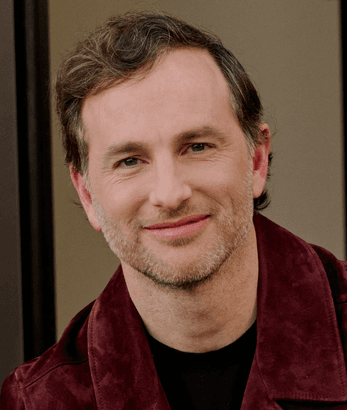 11
11Joe Gebbia
Co-founder, Airbnb
Studied
Graphic and industrial design, Rhode Island School of Design
Gebbia met Chesky at RISD and brought a designer’s approach to Airbnb’s earliest problems. One famous early move was visiting hosts, listening closely, and improving their listing photographs. That kind of field observation is basic design research: get close to the user, see what is not working, and improve the experience.
Profile source for Joe Gebbia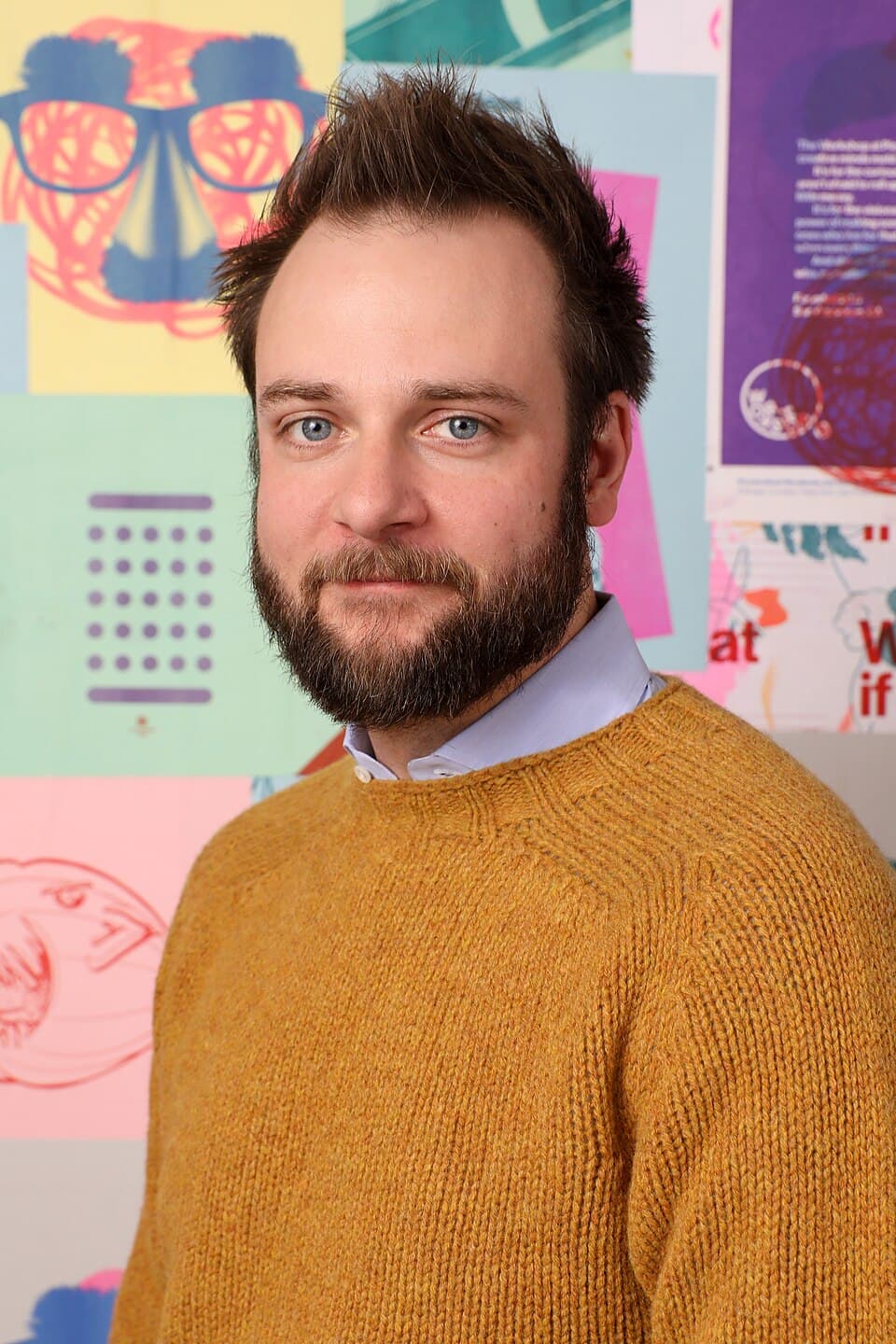 12
12Evan Sharp
Co-founder, Pinterest
Studied
History, University of Chicago; architecture studies, Columbia
Sharp studied history and later architecture before helping shape Pinterest’s visual product. Architecture trains people to organize space, hierarchy, movement, and detail; history trains them to interpret evidence and context. Both can influence how a digital environment is structured and understood.
Profile source for Evan Sharp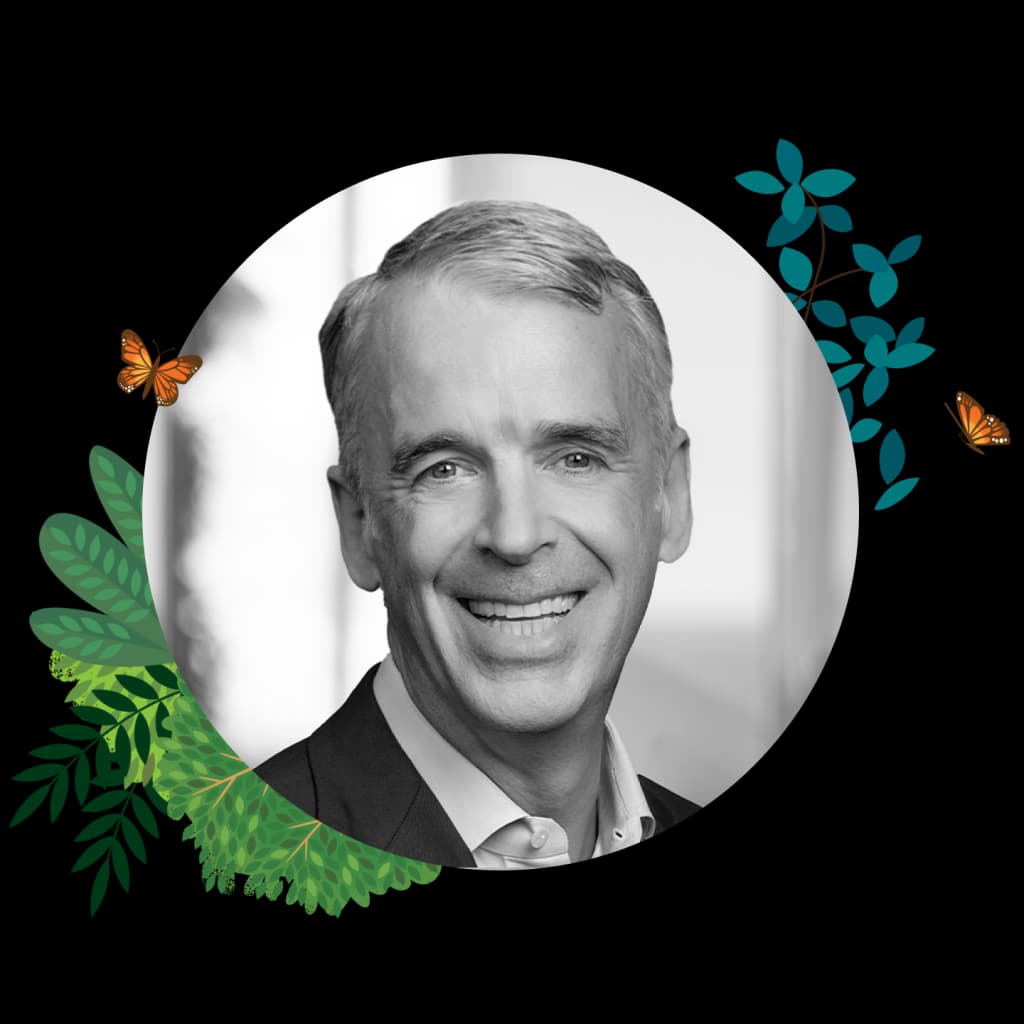 13
13Parker Harris
Co-founder, Salesforce; chief technology officer, Slack
Studied
English literature, Middlebury College
Harris studied English literature, then taught himself programming and built a career as a software developer before co-founding Salesforce. This is an important variation on the theme: a humanities degree did not substitute for technical competence. He added a highly practical skill and used both forms of training.
Profile source for Parker Harris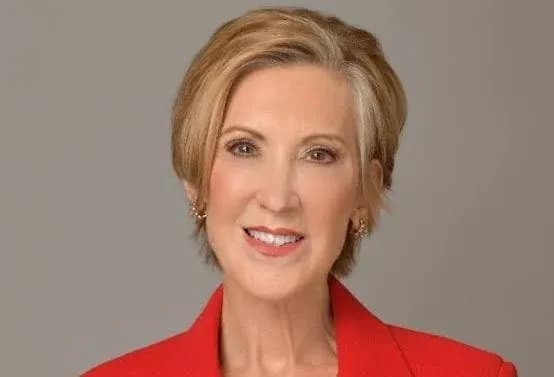 14
14Carly Fiorina
Former chief executive officer, Hewlett-Packard
Studied
Medieval history and philosophy, Stanford; later business graduate degrees
Fiorina began with medieval history and philosophy, then added management training and spent years in sales and leadership before running HP. Her story is less about a direct line from history to hardware than about progression: an early liberal-arts education followed by industry experience, commercial responsibility, and graduate study.
Profile source for Carly Fiorina 15
15Samuel J. Palmisano
Former chairman and chief executive officer, IBM
Studied
History, Johns Hopkins University
Palmisano joined IBM after studying history and spent nearly four decades moving through the company before becoming chief executive. That long internal path matters: he learned the business across roles and geographies. The degree opened a career; repeated performance and institutional knowledge built it.
Profile source for Samuel J. Palmisano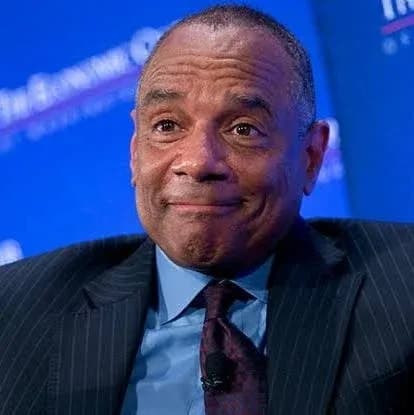 16
16Kenneth Chenault
Former chairman and chief executive officer, American Express
Studied
History, Bowdoin College; law, Harvard
Chenault studied history, trained as a lawyer, and then built a career at American Express that culminated in leading the company. His work required judgment under pressure, close attention to customers, persuasive communication, and the ability to guide a large institution through change.
Profile source for Kenneth Chenault 17
17Caterina Fake
Co-founder, Flickr
Studied
English, Vassar College
Fake studied English before working in web development and co-founding Flickr. She combined an interest in online communities with hands-on digital skills at a time when the social web was still taking shape. Her path again shows that the strongest combination is often interpretive skill plus the ability to make something.
Profile source for Caterina Fake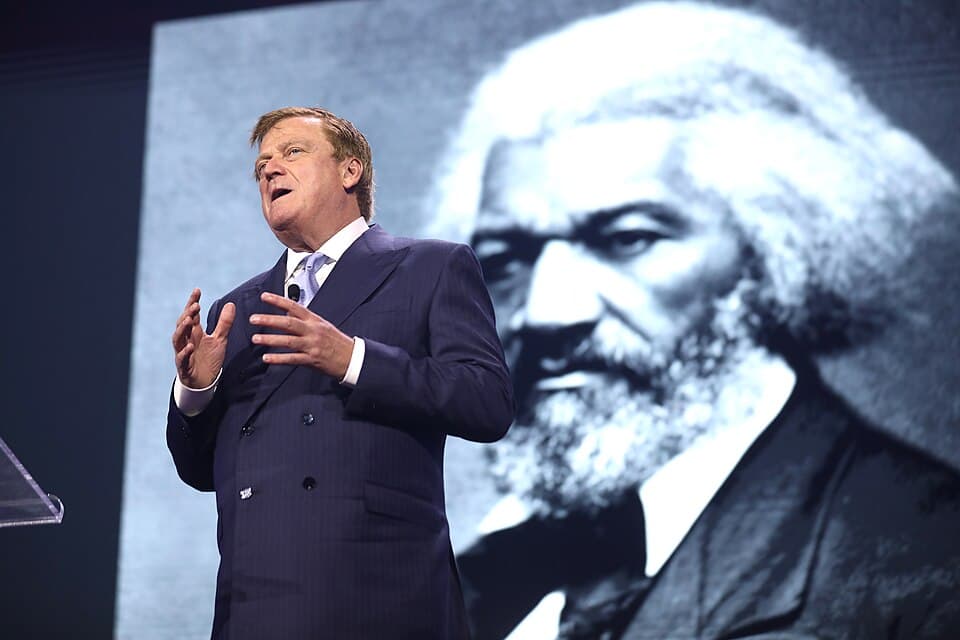 18
18Patrick M. Byrne
Founder and former chief executive officer, Overstock
Studied
Philosophy, Dartmouth, Cambridge, and Stanford
Byrne completed extensive study in philosophy before founding an early online retailer. His later public life has been controversial, so his inclusion here is not an endorsement. It is simply another example of a person moving from humanistic study into internet business and applying argument, systems thinking, and an appetite for unconventional ideas.
Profile source for Patrick M. Byrne 19
19Howard Schultz
Former chief executive officer, Starbucks
Studied
Communications, Northern Michigan University
Schultz studied communications and built Starbucks around a consumer experience and a story about a 'third place' between home and work. Starbucks is not a technology company, but it belongs in a careers conversation because brand, language, service design, and organizational culture helped turn an ordinary product into a global business.
Profile source for Howard Schultz 20
20Andrea Jung
Former chief executive officer, Avon; chief executive officer, Grameen America
Studied
English literature, Princeton
Jung studied English literature, entered retail through a management-training program, and later led Avon. She now leads Grameen America, a nonprofit focused on access to capital for women entrepreneurs. Her career has crossed consumer brands, global management, boards, and financial inclusion.
Profile source for Andrea JungA better conversation at home
Four questions to ask instead of “Is that major practical?”
- What does the student want to get unusually good at? Close reading, writing, research, visual design, quantitative analysis, programming, and public speaking are all capabilities—not just course titles.
- What complementary skill would widen the path? A history student might add statistics or data visualization. An English student might learn product design or coding. A computer-science student might study ethics, writing, or psychology.
- Where will the student produce evidence? Internships, research, portfolios, campus organizations, part-time work, and self-directed projects help an employer see what the student can actually do.
- What are the costs and realistic options? Fit matters, but so do tuition, debt, program quality, career support, and the range of opportunities a college makes accessible.
Photo credits and licenses
Portraits are cropped for layout. Links show the publication or original-file trail found through reverse-image matching. A source credit does not by itself grant reuse permission; entries without a stated Creative Commons or public-domain license still require rights clearance before publication.
- Daniela Amodei: Annie Noelker / WIRED · Editorial image; usage rights not verified
- Steve Jobs: Matthew Yohe · CC BY-SA 3.0; cropped for layout
- Sheryl Sandberg: Matt Winkelmeyer / Getty Images for Vanity Fair · Editorial image; usage rights not verified
- Susan Wojcicki: TechCrunch · CC BY 2.0
- Alex Karp: Fabrice Coffrini / AFP via Getty Images · Editorial image; usage rights not verified
- Peter Thiel: Forbes profile image · Editorial image; photographer not listed
- Reid Hoffman: Kimberly White / Getty Images · Editorial image; usage rights not verified
- Stewart Butterfield: Slack · Official press image; usage terms not verified
- Ben Silbermann: Pinterest via AP · Official company image; usage terms not verified
- Brian Chesky: Airbnb · Official press image; usage terms not verified
- Joe Gebbia: Ryan Lowry · CC BY 4.0
- Evan Sharp: Pinterest, Inc. · CC BY-SA 4.0
- Parker Harris: Salesforce · Source image
- Carly Fiorina: Carly Fiorina official profile image · Official profile image; usage terms not verified
- Samuel J. Palmisano: IBM · Corporate portrait from IBM's 2006 annual report
- Kenneth Chenault: Fortune archive · Editorial image; photographer not identified
- Caterina Fake: J.R. Mankoff / Fast Company · Editorial image; usage rights not verified
- Patrick M. Byrne: Gage Skidmore · CC BY-SA 2.0
- Howard Schultz: Steven Ferdman / Getty Images · Editorial image; usage rights not verified
- Andrea Jung: Caseyculture · Public domain